Pick a gasket.
One of every type, fitted where it belongs. Pick one to find it. Drag to turn the engine.


For Japanese, Korean and European engines. In stock in Dubai.
Mon to Sat, 9:00 to 13:00 and 16:00 to 20:00 Dubai time
Head gaskets, built three ways
One of every type, fitted where it belongs. Pick one to find it. Drag to turn the engine.
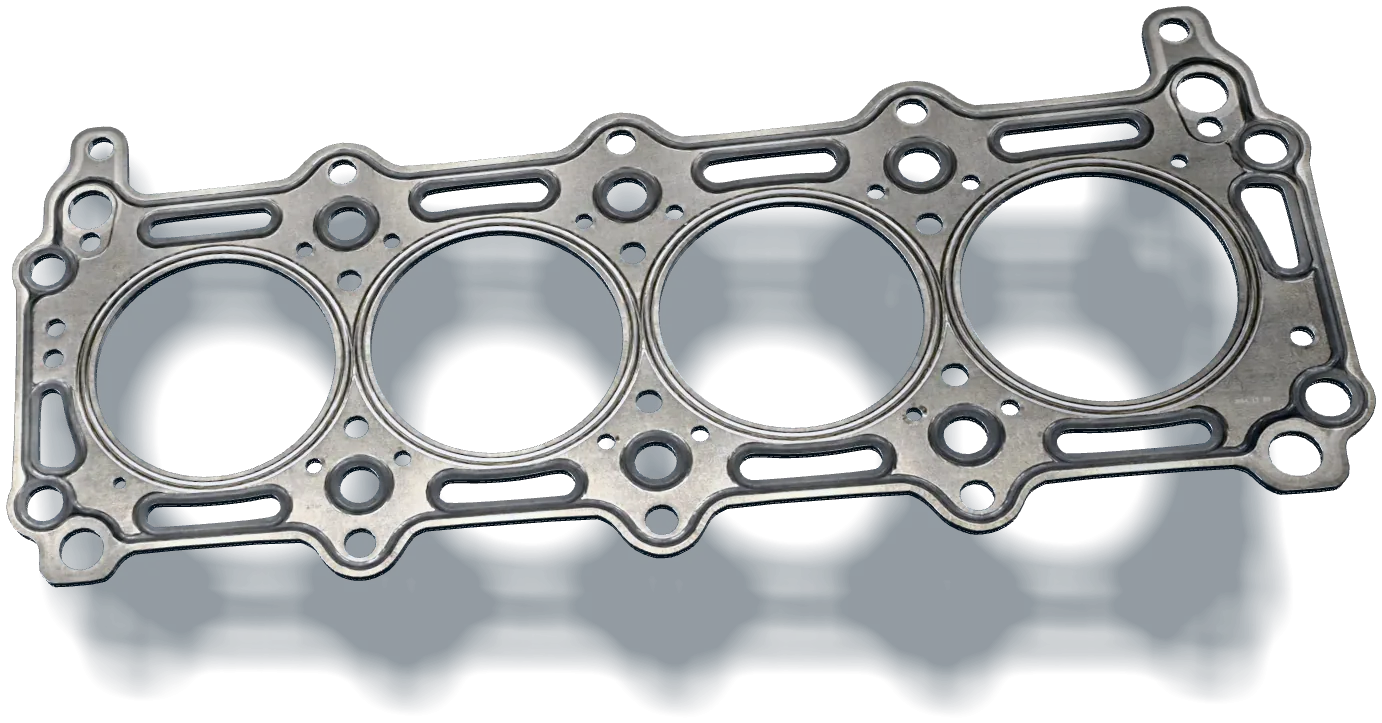
Seals the head to the block. Holds compression in. Keeps coolant and oil apart.
 Metal or
 Graphite
 Fibre composite
Between the valve cover and the head. Keeps the oil under the cover.
 NBR rubber
 Silicone
Seal the intake at two joints: plenum to manifold, manifold to head.
 MetalFibre compositeNBR rubber
Between the exhaust manifold and the head. Keeps exhaust in the manifold, not the engine bay.
MetalFibre compositeA ring between the exhaust manifold and the front pipe. Stops exhaust leaking at the joint.
GraphiteFibre composite Metal + fibre composite
In the valve cover, around each plug tube. Keep oil out of the plug wells.
NBR rubberOn each valve guide, around the stem. Let just enough oil down the stem, and no more.
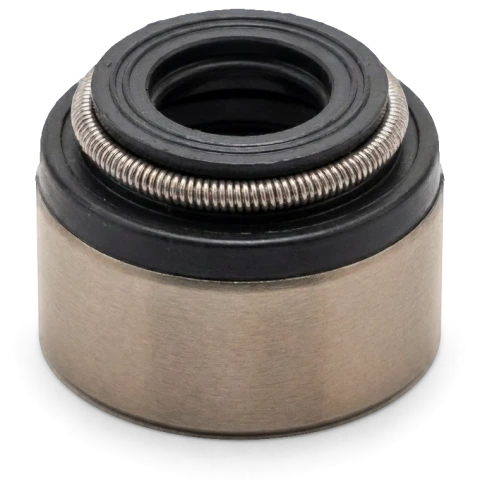 Acryl (ACM)
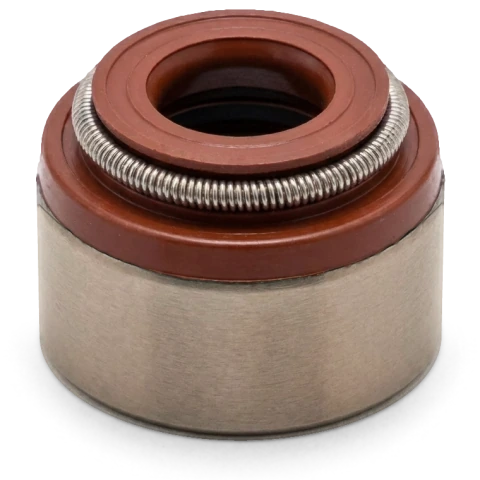 Viton (FKM)
Seals the oil pan to the block. Keeps the oil off the floor.
NBR rubber CorkFibre composite
Pressed in around the crank at the timing end. Its lip rides the turning shaft and holds the oil back.
SiliconeNBR rubberAround the camshaft, where it leaves the head. Its lip rides the turning shaft and holds the oil back.
SiliconeNBR rubberBetween the oil passage and the pump cover. A ring that keeps the oil in.
NBR rubberSiliconeBetween the water pump and the engine. Keeps the coolant in.
Every gasket and seal an overhaul calls for.
MetalFibre compositeGraphiteTwo rubbers, for Japanese, Korean and European engines. Acryl is built for the everyday engine. Viton is built for turbo, diesel and heat, and lasts longer in any engine.
| AcrylPolyacrylate rubber (ACM). Made to live in hot engine oil at a moderate price. Typically about 150 °C continuous. |
VitonFluoroelastomer (FKM), sold under the Viton name, as on our packs. The highest heat, oil and fuel resistance of common seal rubbers. Typically about 200 °C continuous. | |
|---|---|---|
| Typical temperature the rubber takes all day in hot oil. Every 10 °C above it roughly doubles how fast a seal ages. | about 150 °C | about 200 °C |
| Where each rubber is the sensible buy. Hotter engines need more heat margin. | Everyday petrol | Turbo, diesel, hot |
| Life depends on heat margin. A seal run near its limit hardens sooner. | Standard | Longer |
| Price | Lower | Higher |
Typical continuous ratings. Plain Nitrile rubber. Excellent for valve cover gaskets and oil seals in warm oil, but too little heat margin for a valve stem seal. Typically about 100-120 °C. valve stem seals stop at about 110 °C. We don't sell them.
WhatsApp us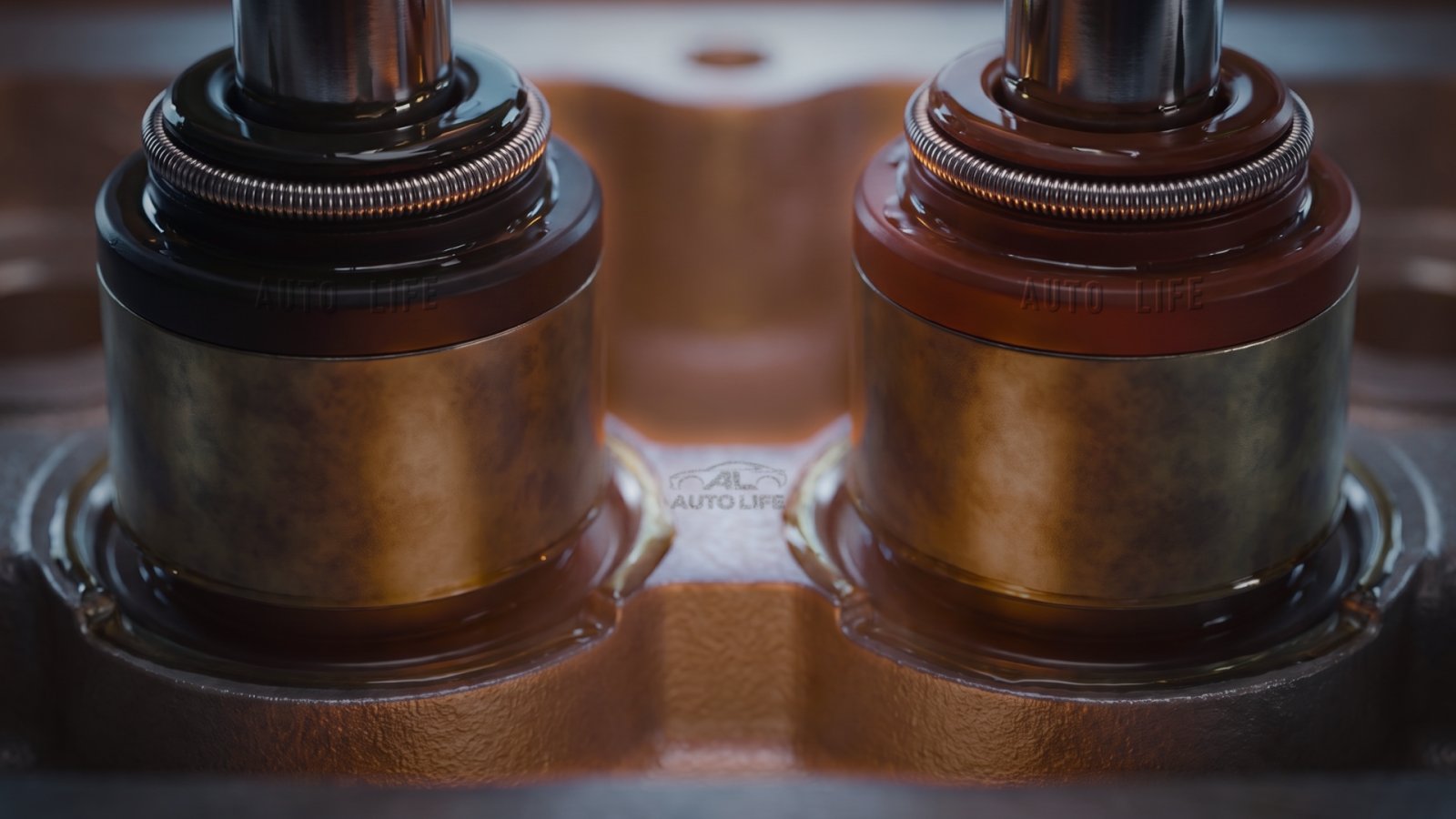
Two valve stem seals, same engine, same heat. At 150 °C, Acryl's rating, both hold. At 200 °C, Viton's rating, Viton is still holding.
Petrol and diesel, from city cars to earthmovers.
A few of the codes we cover.WhatsApp us
25
Years withTHG and Takoma.
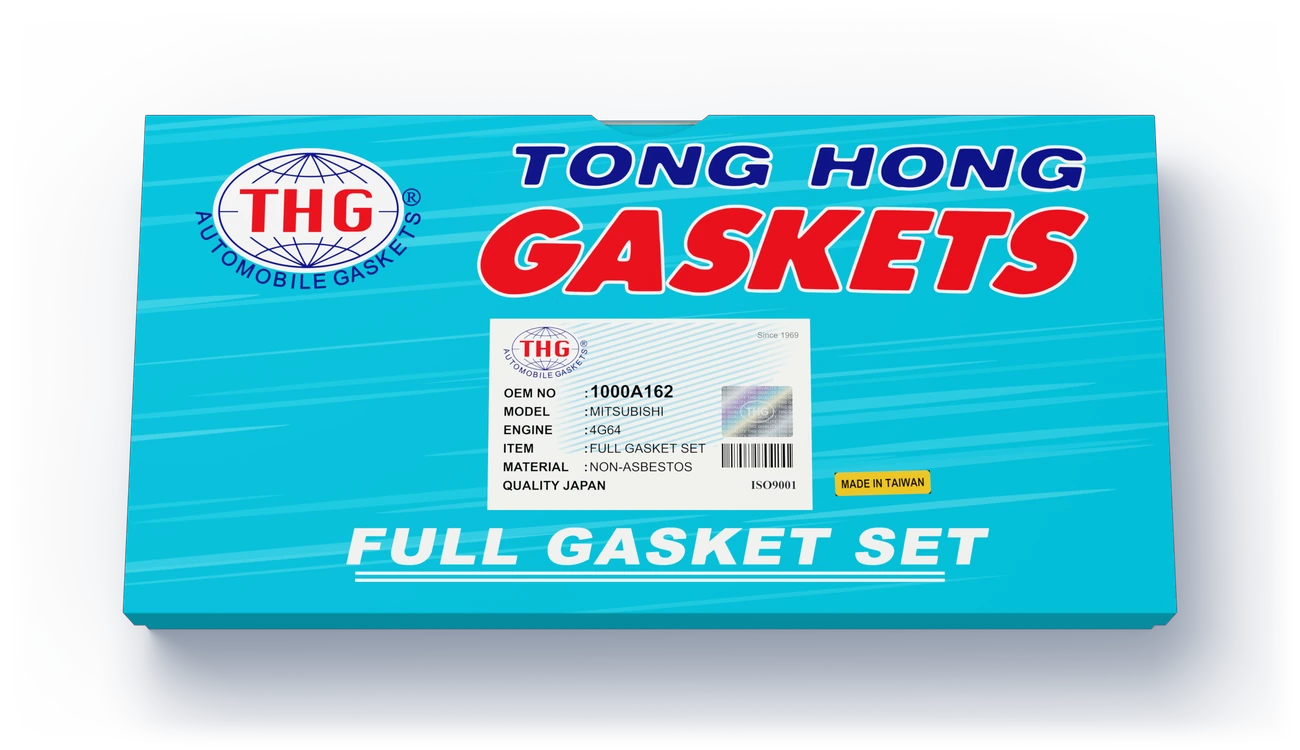


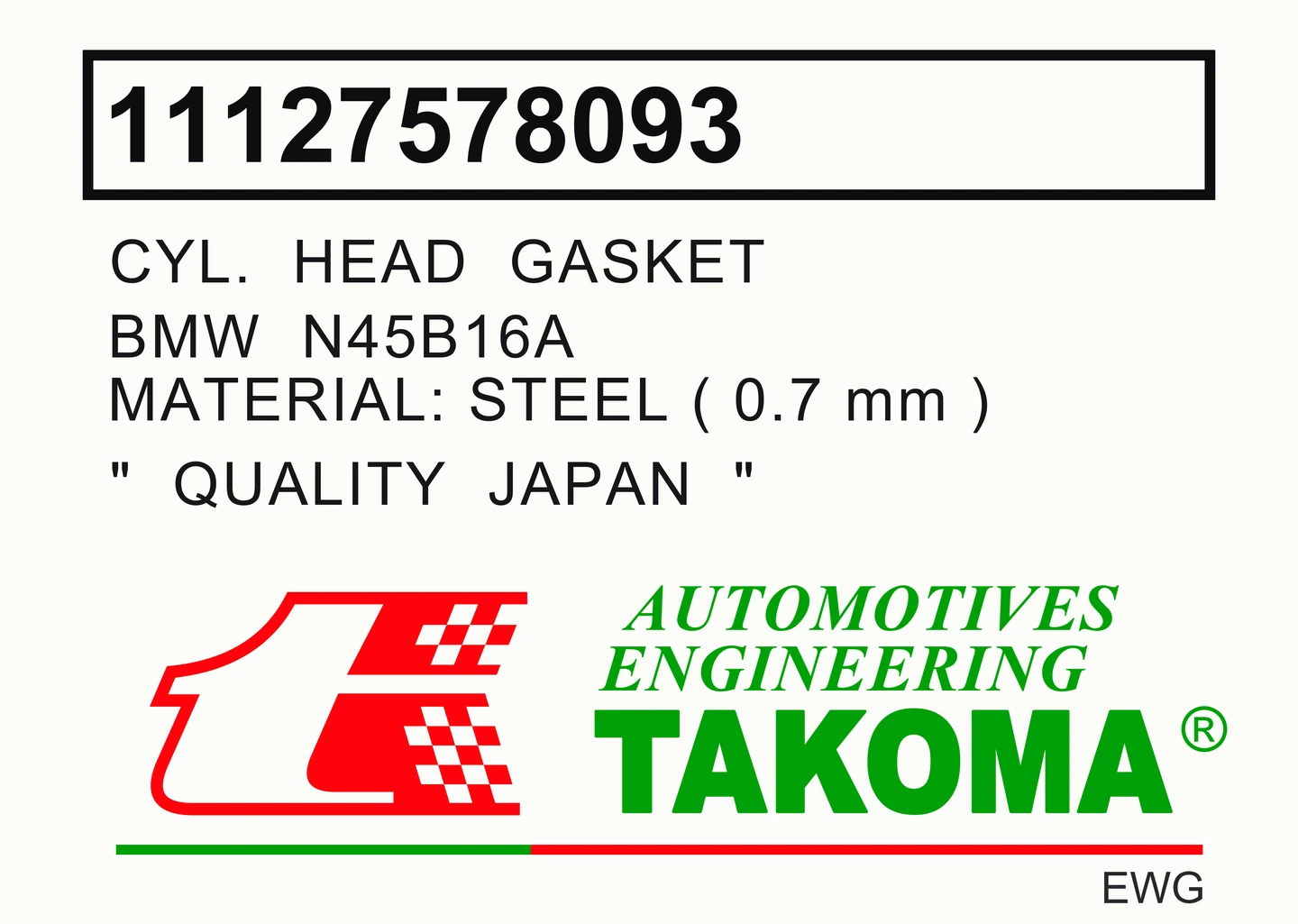

Parts sellers all over the world buy from us.

 and